

Cologne, Germany
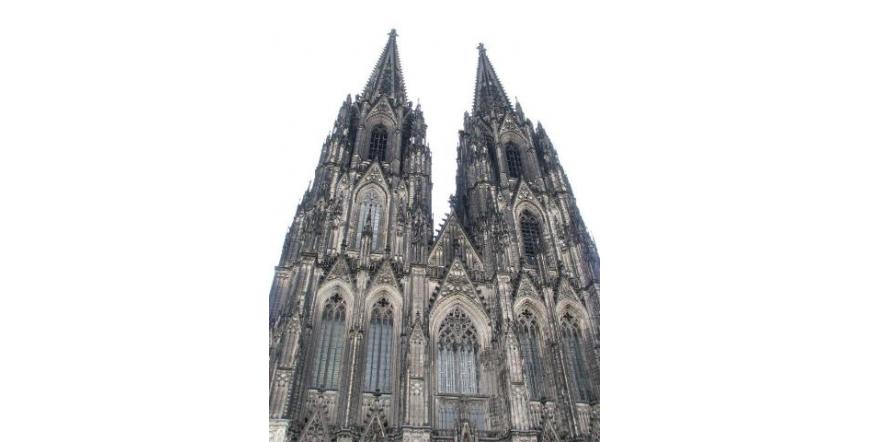
Cologne is the fourth largest city in Germany. It is the largest city in North Rhine-Westphalia and one of the oldest cities in Germany. The city is located on both banks of the Rhine and with a population of over 1 million people, Cologne is the fourth largest among all German cities. Representatives of more than 80 nationalities gather here in one place. Most of them are Germans (82.6%), and the rest - Turks, immigrants from the former Yugoslav republic, and there are also many Russians and Italians. The indigenous population of the city speaks one of the types of East Frankish (Rhine) dialects - Kolsh.
The symbol of the city is the Gothic Cologne Cathedral, whose two bell towers can be seen from every part of the city. The first settlers in the lands of present-day Cologne were the Celts and Germanic tribes. Agrippina, also known as Agrippina the Younger, was born in the Cologne area to distinguish herself from her mother of the same name. Agrippina is the wife of Emperor Claudius and the mother of Nero. According to her will, the settlement in the area of today's Cologne received from the Roman city rights in the 50s of the new era and the name "Colonia Claudia Ara Agrippinensium". Thus, Cologne ranks among the oldest cities in Germany. The city was a major center in the Roman province of Germany.
During the Middle Ages, Cologne was one of the largest cities, and around 1500 - the largest in Europe. The rich deposits of brown coal, as well as the proximity to the Ruhr area, helped Cologne become one of Europe's industrial centers in the mid-19th century.
Today the leading industries in the city are engineering and automotive. Ford's factories are located in the city, as well as the production branches of Toyota, Grunding and Siemens.
Other industries are the chemical industry and the food industry. Cologne is home to the main branch of one of Stolwerk's largest chocolate companies. In addition, the city has many old breweries, which produce the famous beer "Kolsh". The oil refining and textile industries, as well as the production of construction materials are developed. We must not forget the fact that Cologne is the birthplace of cologne.
Cologne has chosen as its center such influential organizations as the International Chamber of Commerce, the Union of German Industry, the Chamber of Commerce and Industry, the Union of Employers and the Union of German Banks. Cologne is also home to Germany's largest radio and television center.
Cologne is famous for its many museums, Romanesque churches, the zoo, the Fantasy Park, the Chocolate Museum, the old Roman part and more. It is also a major educational center. More than 54,000 students live and study in Cologne. Various thematic exhibitions and fairs of various industries and arts are regularly held in the Cologne Messe district.
Vote:
Rating 5 from 1 voted
More sights in Germany


Weather in Cologne, Germany

19.96 °C
Wind: 2.57 m/s
Humidity: 81 %
Pressure: 1006 hpa
Clouds: 0 %
Wind: 2.57 m/s
Humidity: 81 %
Pressure: 1006 hpa
Clouds: 0 %