

Essen, Germany
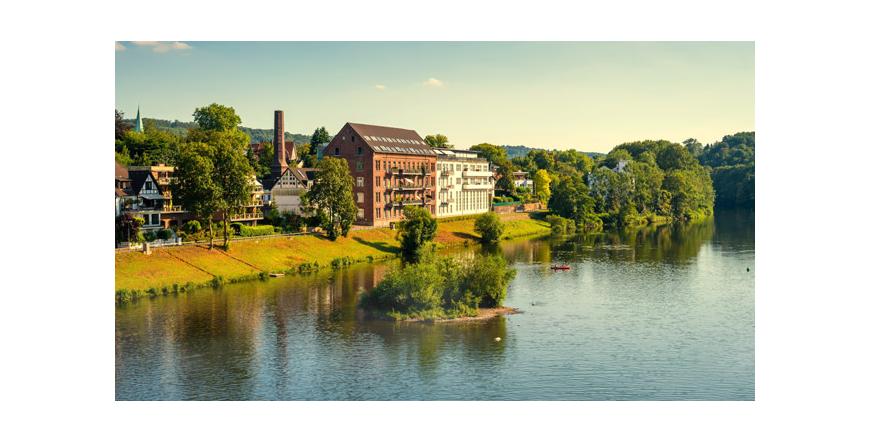
Essen is a city in the central part of the Ruhr area in North Rhine-Westphalia, Germany. It is located on the Ruhr River. In 2010, Essen was declared "European Capital of Culture" on behalf of the entire Ruhr region.
Essen is part of the settlement network of several Germanic peoples. Evidence that the area existed from ancient times was found in 1926 when excavations were carried out near the city.
But in fact, with accurate historical data, we can talk about somewhere around the 1st century BC, since the Alteburg Castle in the southern part of Essen dates back to that time. Today's history starts to get more interesting around 845, when Altfrid founded an abbey for women in the center of today's town.
In 852, construction of a church for the monastery began. In 971, the management of the abbey was taken over by the granddaughter of Emperor Otto I - Matilda II. In 1003, a settlement was established, which today is called Esen. In 1041, Essen was given rights to form markets and trade on his lands. In 1244, the city received its coat of arms. The year 1377 is very important in the history of the city, as it was then that Charlemagne gave the city the status of a free imperial city.
In 1563, the Municipal Council, as the main body of Essen, announced the Protestant Reformation. At the end of the 16th century, Essen was a famous center of the arms industry. The city was severely destroyed during the bombings of the Second World War. After the end of the war, Essen fell into the British occupation zone.
Today, Essen is a city where many large and leading companies have located their headquarters and branches. For example, ThyssenKrupp, the electricity company RWE AG, the largest gas company and many others. In Essen, in 1903, the Coca-Cola company was founded, which remained its headquarters in the city until 2003.
Vote:
Rating 5 from 1 voted
More sights in Germany


