

Etiquette in India
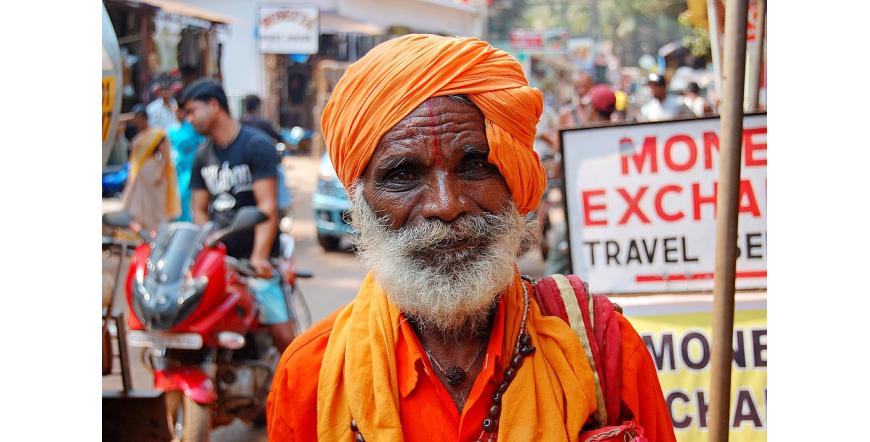
The second most populous country in the world is also known for the many peculiarities of the population. Over 400 ethnic groups coexist in India, and the country has mostly young people - half of the population is men and women under 25. According to the Indian constitution, there are 21 official languages in the country, but about 1,600 are spoken, if we count the dialects. You may see women in sarees and you may also see them in jeans and t-shirts. Older people wear a lungi, a piece of cloth that wraps around the body. In general, life in India is very colorful and you can see all kinds of people. There are several different religions there, and a large part of them also define the existence of the local inhabitants. In addition, they are very strict in observing various beliefs, permanently entered into the etiquette of behavior. The shadow of western culture and manners is also visible because as we know the country was a British colony for a long time.
Here are some trivia that you should know if you intend to travel to India, to have closer contact with the locals and to observe their etiquette.
There is a saying in the Asian country that says "The guest is a god". The locals consider it a great honor to have someone visit their home. They break their daily routine to make the guest feel as good as possible. Even if you are not staying in an Indian house, you will find that there are no people as hospitable as the people there. When you enter someone's home you must undress. When they sit down at the table, Indians offer food first to the god and then share it with you. You should also know that you should not use other people's utensils or take it yourself from someone else's plate. Wait for them to offer you. It is also very important that when you sit down at the table with Indians, you should pour yourself only what you will eat and not offend the host by leaving something on the plate. And don't forget – the best way to thank your hosts for their food and hospitality is to invite them over too. In North India, even the wealthiest families eat on the floor. Interestingly, they have tables and chairs, but many families pile things on them and prefer to eat on the ground.
In the country, it is not recommended to eat with the left hand - it is considered unclean, as Indians use it for personal hygiene. The same applies when extending your hand in greeting or when pointing to something - always use only the right hand.
Also touch as few things around you with your foot or left hand as possible. This applies most strongly to the religious sites you will visit. The feet are also considered impure, and if you touch the objects with them, you will offend the faith of the Indians. If you are a man, do not touch the women around at all, no matter how close they are to you. Don't shake their hand, kiss them or hug them. In the smaller towns of India it is a display of incredible freedom. Refrain from pointing fingers or whistling in public. It's also not a good idea to carry a wallet in your back pocket.
The most polite way to eat is with your hands. In South India, you can dip your whole hand into the food. In the north, where the curry is drier, just the tip of the fingers.
When you greet someone older, you put your palms together, then kneel down and touch his feet with your toes - this is how you demonstrate that you have walked fewer kilometers than him.
We come to the choice of clothing. When in India, bet on loose, light-colored clothes with long sleeves made of natural fabrics. It is the best choice for walking around the Indian roads, temples and restaurants. First, they will keep you cool. Second, if they see you naked - with a short skirt or pants and a plunging neckline, Indians will think that you are either very poor or very shameless. Tight clothes will be extremely uncomfortable under the hot sun.
If you are invited to a restaurant or a guest, it is most polite to go 15 to 30 minutes late. To respond precisely at the appointed hour to any event of this nature is a manifestation of very bad taste.
Keep in mind that it is very difficult to choose a suitable gift for an Indian. First and foremost, don't buy alcohol. Most locals don't lick at all, and those who drink rarely do so. Forget about items made of leather unless you know the person for whom you are choosing a gift a little better. The majority of Indians are vegetarians. If you want to buy flowers as a gift, consult the seller. He will tell you which flower is suitable for which occasion.
In the subway, men and women ride in separate carriages.
In India, the cow is a sacred animal. It is not unusual to see a cow walking down the street without being tethered. If you kill a cow in India, you will be prosecuted harshly under the local law, and in some areas you can even get a 10-year sentence.
People in India get up very early - around 5-6. Then the temperatures are lower and more work can be done, while during the hottest hours of the day it is difficult to work.
Even families who don't have much money organize huge and lavish weddings. The newlyweds don't just invite friends and relatives, but all the people they know even vaguely. Therefore, the number of guests often varies from 300 to 1500.
We have all heard that India is very dirty, but this is not the case everywhere. Often the streets there are quite dirty, but people's homes are extremely clean. Cities with lots of tourists tend to be well maintained.
In some countries, tipping is absolutely mandatory, while in others it is not accepted to leave extra. In India, tipping is at your discretion, but it is customary to leave 3 to 10%.
In the country, many people shake their heads for "yes" and nod for "no", which completely confuses Western tourists.
Vote:
Rating 5 from 1 voted
More sights in India


