

Voronezh, Russia
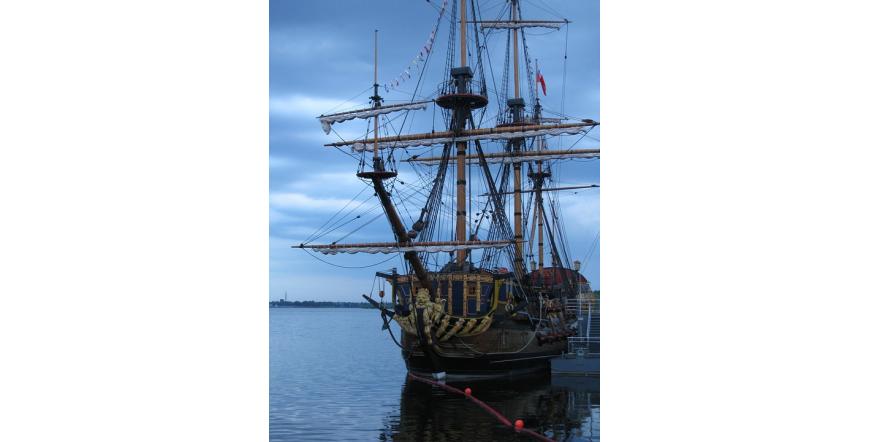
Voronezh is a Russian city, chosen by Peter the Great as the shipyard of the first Russian warship without the participation of foreign experts, according to his project. That is why the city is considered the cradle of the Russian regular fleet. Fascinated by the beautiful nature of this region, Princess Oldenburg built her palace house near Voronezh, a masterpiece of world architecture.
The city of Voronezh is the administrative center of the Voronezh region. It is located on the banks of the Voronezh River, 12 km from its confluence with the Don River, with a population of 1.054 million and a distance of 463 km from Moscow. Voronezh is considered to have been founded in 1586, when the fortress was built under the leadership of the first Voronezh governor Semyon Fedorovich Saburov. During the next period the city of Voronezh had a rise in its development, it had bad moments, but it always managed to survive and was even rebuilt several times. In 1930 the first parachute landing was made in Voronezh by Leonid Grigorievich Minov.
During the Great Patriotic War, Voronezh participated with the Voronezh Volunteer Regiment, and in its factories were assembled a large number of missile combat vehicles needed in the counter-offensive near Moscow in December 1941. And in modern times of the space industry, Voronezh is famous with its Chemical Automation Design Bureau. Modern Voronezh is one of the industrial, cultural, scientific and educational centers of Russia. In addition, it is a city of beautiful parks, unusual museums, festivals and many restaurants and cafes.
The monument to Peter I is a symbol of Voronezh. Thanks to this Russian dreamy tsar, the quiet country town began to live its dizzying life, creating ships for the first Russian flotilla, according to the designs of Peter the Great. His monument is located on Petrovsky Square, which is a favorite place for walks of residents and guests of Voronezh.
The ship-museum "Goto Predestinatsia", located on the pier of Admiralty Square is an important landmark of Voronezh. This is the first Russian sailing ship with 58 cannons, built in the Voronezh shipyard in 1700 designed by Peter I and under the direction of the famous later ship captain Fedosey Moiseevich Sklyaev. The ship-museum is a copy created from archival materials and photos and in 2014 was its official opening. The exposition of the Ship Museum has objects and documents about the life of sailors from the 18th century, as well as coins, weapons, food utensils, a ship's oven, wax figures in costumes from that distant era.
Museums in Voronezh are an important part of its attractions. The Voronezh Regional Museum from 1894 is one of the leading in the city. Changing its location several times, today the main building of the museum is an interesting architectural ensemble. Here you can see ethnographic and numismatic collections, a collection of porcelain and ceramics, weapons collection, a collection of rare books and much more.
The Voronezh Art Museum is one of the largest cultural centers in Voronezh. The museum is located in the house of the Voronezh governor, Lieutenant General IA Potapov. Built in 1777-1779 in the Baroque style, it was so beautiful that everyone called it a "palace". The building is an architectural monument of federal significance. The museum houses the oldest collection in Russia from Ancient Egypt, collected by the traveler Otto Friedrich von Richter in 1815. In addition, the Art Museum can see Russian and Western European paintings from the 18th-20th centuries, icons, graphics, sculptures.
The house of Savostyanov, a merchant and manufacturer, is the first three-storey building in Voronezh from the 18th century in the Baroque style. The rectangular windows with images above them are impressive.
The Voronezh State Academic Theater from 1809 is one of the oldest in Russia and is named after the Russian poet Alexey Koltsov.
The churches in Voronezh are architectural masterpieces and it will be interesting for the tourist to visit at least one of them. The Church of the Assumption of the Admiralty is the oldest surviving church in Voronezh and its full name is the Assumption of the Blessed Virgin Mary. The church is an architectural monument from the 17th century. It has been rebuilt several times, as a result of which the architectural styles in the execution are mixed. The building with four domes with a low apse (13.1 m) belongs to pre-Petrine times. The dining room and the bell tower, 21.4 m high, were built in the spirit of classicism. In the series of coins "Monuments of Russian Architecture" from 2008, there is a coin with the image of this temple. The exclusive interior design of the church includes: "St. Nicholas the Wonderworker ”, embroidered with beads; The Weeping Mary Magdalene; Assumption of the Blessed Virgin; God's prophet Elijah; The cypress cross, decorated with pearls, brought from Jerusalem.
The Annunciation Cathedral is an Orthodox church located in the center of Voronezh on a spacious square in the May Day Garden. Built by architect VP Shevlev in 1998-2009, it is the third largest Orthodox church in Russia and one of the tallest in Voronezh. The height of the main dome is 85 m, and with the mounted cross it becomes 97 m. The interior is dominated by white and only the altar is decorated with icons of saints. The church can accommodate about 6,000 people. A monument to the first Voronezh bishop Mitrofan has been erected in front of the cathedral.
The Alekseyevo-Akatovo Monastery is a nunnery of the Russian Orthodox Church and one of the oldest in the Voronezh region. Painted in light blue with a very beautiful gate, it is an object of cultural heritage of the Russian Federation. The most revered icon in the monastery is the "Life-giving spring", depicting the Virgin Mary coming out of the water with Jesus in her arms.
After the Second World War, many monuments were erected in memory of the defenders of the city. One of the most impressive is the Monument of Glory memorial complex, erected on the site of the mass grave of Soviet soldiers killed in the battle of Voronezh. The monument to Chernyakhovsky, who fought the battles for the liberation of Voronezh, was erected on the square named after him and overlooks the Voronezh railway station 1.
The ruins of the building of the Voronezh Regional Hospital from the battle for the defense of Voronezh have not been restored, but have been left as a memorial to the devastation of the Great Patriotic War. This is a historical monument of regional significance, and the name "Rotunda" was given by the inhabitants of the city.
A copy of the ship "Mercury" - one of the ships of Peter I, built in the Voronezh shipyard was one of the landmarks of Voronezh. Placed on a concrete pedestal in the Voronezh Dam near the Vogresovsky Bridge, the ship "Mercury" was an interesting attraction, but climatic conditions necessitated its dismantling. Let's hope that tourists and residents of the city will be able to see it again. In Voronezh there are also non-standard, fun monuments such as the Monument to the White Beam, a dog-hero, installed in front of the Puppet Theater "Stur".
If you want to walk and feel peace and quiet, you can visit the park "Red Sails". Created in 2011 on the occasion of the 425th anniversary of Voronezh, on the shores of Voronezh Dam, it is a creation of landscape designer Oliver Dam. A significant number of roses are planted in the park, which together with the benches, children's and sports grounds help for a pleasant visit here.
The Voronezh Aquarium is an interesting place for children and adults.
40 km from Voronezh is the village of Ramon, famous for its amazing nature and the castle of Princess Oldenburg. The land for the manor was a gift from Emperor Alexander II to the Oldenburg couple. The palace house is a magnificent execution of architecture. Built on a hill, the beautiful castle is a favorite place of the couple, and the princess herself participated in the design and furnishing. The observation tower offers a picturesque view of Voronezh and its surroundings. Near the palace there is a beautiful park with fountains.
Venevitinov's mansion is an architectural monument from the 18th century. The family house is two-storey with a well-designed park with a lake and an observation deck to the river Don. In 2005 a monument to the poet DV Vetevitinov, the most famous representative of the family, was erected in front of the house.
Voronezh is a city of challenges and happy coincidences!
Vote:
Rating 5 from 1 voted
More sights in Russia


