

Capitoline Hill, Rome
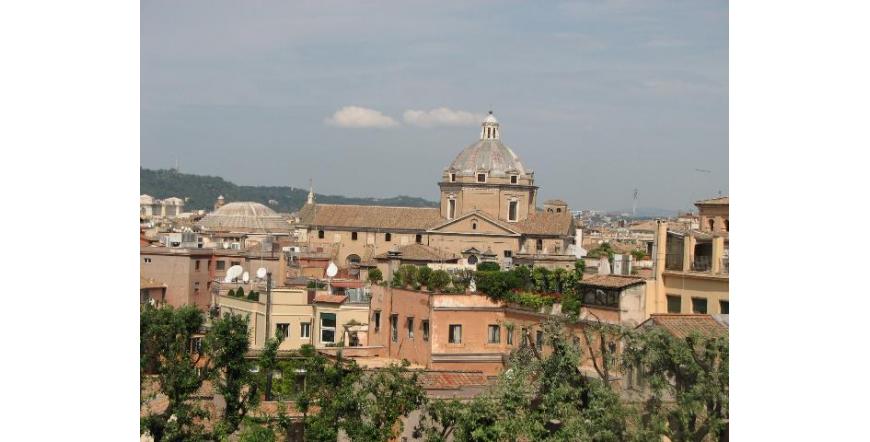
There has been a settlement on Capitoline Hill since the Bronze Age. It is the most significant of the first seven hills on which Rome was built. On its northern elevation was the fortress of Arx, on the site of which today is built the basilica di Santa Maria in Ara coelli, and on the southern - the Etruscan temple of Jupiter Optimus Maximus, where he was worshiped with his wife Juno and daughter Minerva, forming the Capitoline Triad (6th century BC). The temple was started by the fifth king of Rome Tarquinius Priscus, and is considered the largest and most beautiful temple in the city. At its foot - between the Curia and the Temple of Consent - was the Carcer Mamertinus prison.
The Capitoline Hill is associated with many remarkable events in Roman history. Brutus and the other assassins are locked up in the temple of Jupiter after the assassination of Caesar; Tiberius Gracchus died there; The famous Tarpeian Rock rose from the Tiber River, from where the political prisoners sentenced to death were thrown. Capitoline Hill is the place of three palaces and a magnificent square by Michelangelo (1475-1564). The palaces on both sides house the Capitoline Museums with an art gallery and remarkable Greek and Roman statues.
Next to the Capitoline Hill is Piazza Venezia with the monument of King Victor Emmanuel II (Victor Emmanuel II Monument), erected in honor of the unification of Italy.
Vote:
Rating 5 from 1 voted
More sights in Italy


