

Klondike Gold Rush International Historical Park, Canada
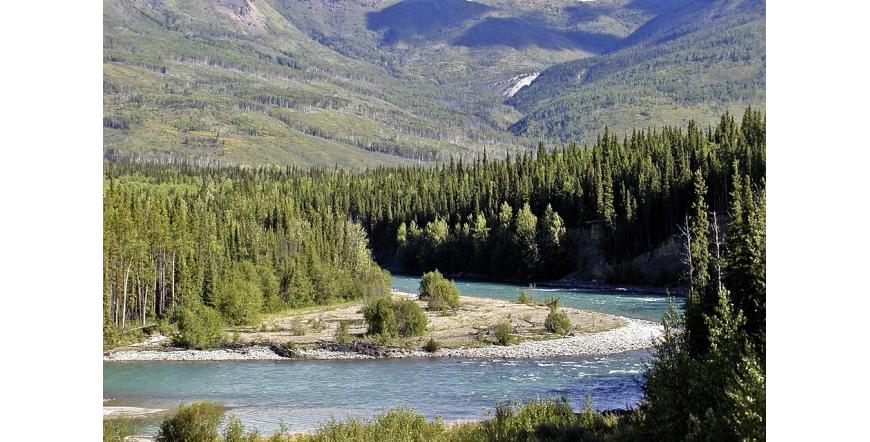
The Klondike Gold Rush International Historical Park encompasses vast areas of the United States and Canada and was created to remind future generations of the gold rush of the late 19th century and the dreams of hundreds of thousands of gold seekers of easy riches and a better life.
It all began in August 1896 with the discovery of a nugget of gold in a tributary of the Yukon River called the Klondike. The discoverers were a group of adventurers - George and Kate Carmack and their guide, Skookum Indian Jim Mason. A year later, gold seekers from San Francisco, Germany, Italy, Norway, England, and even China and Japan headed to this magnetic place. The influx of so many people along the Yukon River Valley, was a prerequisite for the development of trade, hospitality and banking in this area. The city of Seattle became a starting point for gold seekers. Here they outfitted themselves, obtained the necessary equipment, and stocked up on food. Thus, the city prospered thanks to the increased revenue.
Dawson is another important town for prospectors. At that time, it numbered 30,000 people. The famous writer Jack London lived here, who, carried away by the euphoria of the gold rush, also came here when he was only 21 years old. He didn't manage to get rich, but he collected material for his best works, such as "The Wild Calls", "The White Tooth", "The White Cigarette", "The Daughter of the Snows" and others. The mountain house where Jack London lived has been turned into a museum. Now the capital of gold prospectors Dawson is home to only 1,500 people, some of whom are still engaged in gold mining.
The Klondike Gold Rush International Historical Park is made up of a series of significant individual sites—three near Skagway, one in Seattle, and three more in Canada. They cover buildings and sections of route, including downtown Skagway with fifteen historic buildings. The wild beauty of nature, rare animals such as the grizzly bear, authentic cities created thanks to the gold rush attract many tourists and adventurers.
Visitors to the historic park are greeted by a bronze composition of a Tlingit tribal leader and prospector. The best time to visit are the months of June-July, when there are white nights. The Klondike Gold Rush continued until 1899, when new gold was discovered on the east coast of Alaska and a flood of prospectors headed there.
Vote:
Rating 5 from 1 voted


