

Maastricht, Netherlands
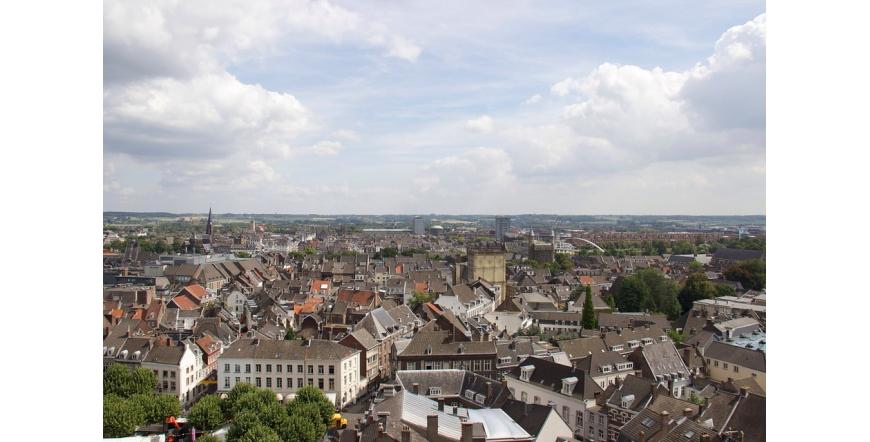
Maastricht (Maastricht) – the face of ancient Holland. Maastricht – one of the two oldest cities in the Netherlands (along with Nijmegen). The city is the administrative center of the province of Limburg and is located around the Maas River. But just because it's old doesn't mean the life in it has died. On the contrary. Maastricht is one of the liveliest cities in the Netherlands. The city is literally buzzing with excitement, and its multilingual and multi-national population reveals different aspects of the European Union.
In fact, if you want to immerse yourself in the atmosphere of the Netherlands, Germany, Belgium and France at the same time, Maastricht is your place. The oldest city in the Netherlands can offer you all this – churches, basilicas, French-style cafes and architecture with a German touch. Maastricht captivates you with its cobblestone streets, fashion boutiques, excellent cuisine, an art festival, the impressive architecture of the Ceramic Quarter... Simply everything. Even the air in the city positively charges you and makes you forget about everything.
Geographically, Maastricht is located in the Netherlands and is located very close to the borders with Germany and Belgium. By declaring it the oldest city in the Netherlands, historians make the bold claim that Maastricht was founded in 50 BC. The Romans, who very pragmatically felt the strategic position of Maastricht - the importance of the area around the river Maas, are declared to be the creators of the city.
This is how the city of "Mose Traectum" was born, translated as "The crossing of the Meuse". Today, Maastricht's name literally means "Ford across the river Maas". Ancient Maastricht was an extremely important trading post on the merchant route between Cologne and the North Sea. The built temple of Jupiter also contributed to the prosperity and development of the city, the remains of which can be seen today in the ground floor of a hotel in the city.
The 1970s were quite difficult for the city and it experienced a serious decline in its development due to the closure of the last local coal mine. But Maastricht does not remain in the "ashes", on the contrary, the city is blooming again thanks to programs to attract foreign investors. Today, Maastricht is quite a popular destination, even for a day trip, by Dutch, Belgians and Germans. In addition, Maastricht is home to students from all over the world who come to study at its prestigious universities.
The popularity of Maastricht is also enhanced by the fact that the treaty that founded the European Union was signed here. The reason for this is the proximity of the city to Belgium and Germany. After this event, Maastricht earned another nickname - "the most European city". People here often joke that this is why they are more hospitable than their northern Dutch neighbors.
It would not be an exaggeration to say that every building in Maastricht is a landmark. From the time of Charlemagne alone, a number of fine architectural examples remain, including the two churches in Maastricht, which are some of the finest examples of Romanesque architecture in the entire country.
Among the most striking sights of Maastricht are the Markt, the Basilica of St. Servatius, the Church of St. Jan and the local history museum, the Basilica of Our Lady, the old city walls, the underground prisons, the Bonnefanten Museum, St. Petersburg. The center of Maastricht is a unique landmark in itself. A walk around the two central squares, the Vrithof and the Market Square, opens up wonderful views, offers the opportunity to drink a coffee or simply rest on a bench. Around the squares is full of churches and cathedrals, which are interesting and the entrance is free.
We should not pass by the hill of St. Peter, which is part of the cultural and historical heritage. On it are located the old city fortifications and the Gate of Hell, built in the 13th century. Here, during the Second World War, the citizens of Maastricht hid their valuables and belongings that they did not want to be destroyed during the war. Another pearl of Maastricht's heritage is the Red Tower in the Church of St. John the Baptist, which offers a panoramic view of the entire city.
Cafes are something very popular and loved in Maastricht. They occupy the place of the old buildings in the city and are in the French style. Other old buildings in Maastricht have been converted into boutique hotels. The city also gives you the opportunity to see a number of exhibitions, to walk around the museums. Among the most recommended restaurants are Take One, Beluga and Cafe 't Pothuiske. The must-try when visiting Maastricht is the local beer.
Vote:
Rating 5 from 1 voted


Weather in Maastricht, Netherlands

22.84 °C
Wind: 5.14 m/s
Humidity: 67 %
Pressure: 1004 hpa
Clouds: 100 %
Wind: 5.14 m/s
Humidity: 67 %
Pressure: 1004 hpa
Clouds: 100 %