

Kaliningrad, Russia
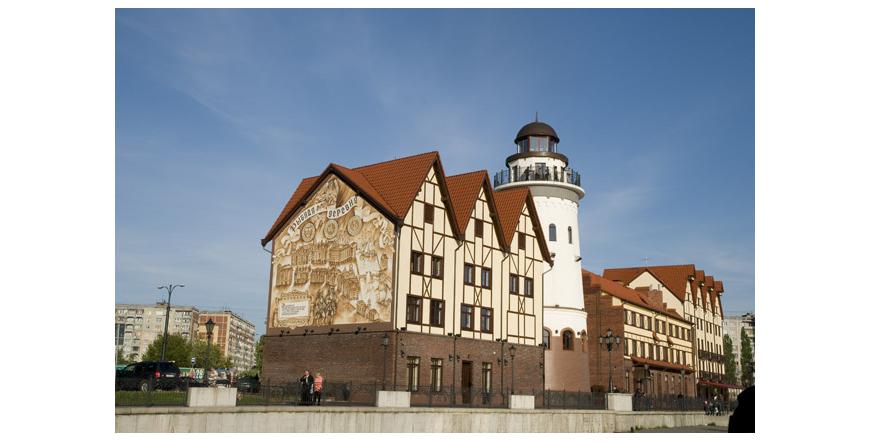
Kaliningrad or Koenigsberg is a city in Russia, the center of the Kaliningrad region, a Russian exclave located between Lithuania, Poland and the Baltic Sea. The town is located at the confluence of the river Pregolya and the Vistula Lagoon. Kaliningrad is Russia's westernmost and only non-freezing port in the Baltic Sea. Today's Kaliningrad was founded by the Czech King Otokar II and is named after him Koenigsberg. It was one of the main cities of the Teutonic Order and then the center of East Prussia.
Visitors to Kaliningrad are highly recommended to visit the old Koeningsberg Cathedral, Victory Square, Koeningsberg Fortress, the House of Soviets, the Cathedral of Jesus the Savior, the old Prussian Zoo, Immanuel Kant State University and the Museum of the World Ocean, many castles from knightly times, Stalinist architecture, unique Gothic buildings, the first fortress of the Teutonic Knights, Insterburg Castle and many others.
One of the most interesting secrets of the 20th century - the amber room - was kept in the castle of Insterburg in Kaliningrad. This room was given to the Russian Tsar Peter the Great by the Prussian King Friedrich Wilhelm.
In general, the uniqueness of Kaliningrad comes from the fact that right here is one of the places in the world where amber can be found. The amber dunes reach a height of 70 meters and are nearly 98 kilometers long.
The other pearl of Kaliningrad - the main cathedral of the city, was built in 1333 and destroyed during World War II. The restoration of the church began 50 years later, with the addition of a concert hall and an Orthodox chapel, and its grand opening took place in 2005.
Kaliningrad Zoo is one of the largest and oldest in all of Russia. It was discovered in 1896 on an area of 16.5 hectares, which are home to 315 species of animals. Apart from the zoo, this place is also a botanical garden, which has many plants, as well as rare plants such as Ginkgo.
Vote:
Rating 5 from 1 voted
More sights in Russia


Weather in Kaliningrad, Russia

19.03 °C
Wind: 4.23 m/s
Humidity: 61 %
Pressure: 1010 hpa
Clouds: 99 %