

Abdeen Palace, Cairo
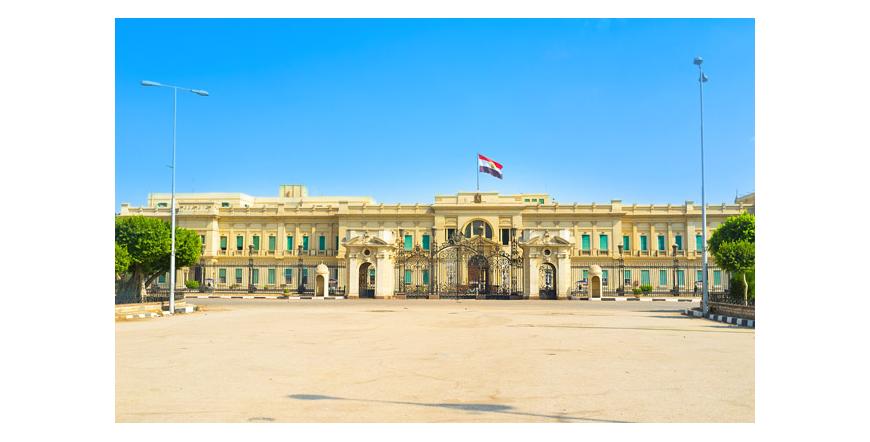
Abdeen Palace in Cairo is a very interesting place in itself. A look at Abdeen Palace awakens in one a sense of austerity emanating from its buildings. The design of the Abdeen Palace involved French architects, whose design built the building in neoclassical style without much elegance of the lines.
In 1874, the ribbon was cut and Cairo is now the residence of the Egyptian Kedives. In 1952, revolutions broke out, the results of which sent the last King Farouk into exile and decided the fate of Abdeen Palace - it was turned into a workplace for civil servants. The largest halls of the palace are reserved for an audience of heads of state.
Today, part of Abdeen Palace cannot be visited. These are, for example, rooms such as the Byzantine Hall. Where a visitor can enter are halls with poorly furnished and endless rows of weapons, medals and ornaments, silver vessels of the royal family. Also available for viewing is the domed mausoleum of a 19th-century Muslim saint, located in one of the courtyards with fountains. It is known to have been built before Abdeen Palace and survived after the idea of demolishing it, but the architect decided to incorporate it into the overall architectural plan.
Vote:
Rating 5 from 1 voted


