

Denmark
Denmark is the smallest in area but most densely populated country in Northern Europe. It is located on the Jutland Peninsula and on 406 islands. Denmark has two dominions with internal autonomy – the Faroe islands and the biggest island on earth – Greenland.
The Danish are heirs of the Danes, who gave the name of the country. They came to Jutland in 5th c. from the North. Gradually they integrated with the German tribes, which inhabited these lands until then and in 8th c. They became the predominant population. In 10th c. the Danish kingdom was established. Denmark is one of the lowest and flattest countries in the world. The climate of the country is temperate морски with cool summer and wet winter. Agriculture is one of the most important industries of the economy. Almost 2/3 of the areas are fertile and arable lands. Wheat, barley, rapeseed, potatoes, sugar beet, vegetables and others are grown here. Only 4% of the employed work in the agriculture, but the obtained total volume of agricultural production is three times bigger than the country’s needs.
The standard of living of the Danish population is one of the highest in the world.
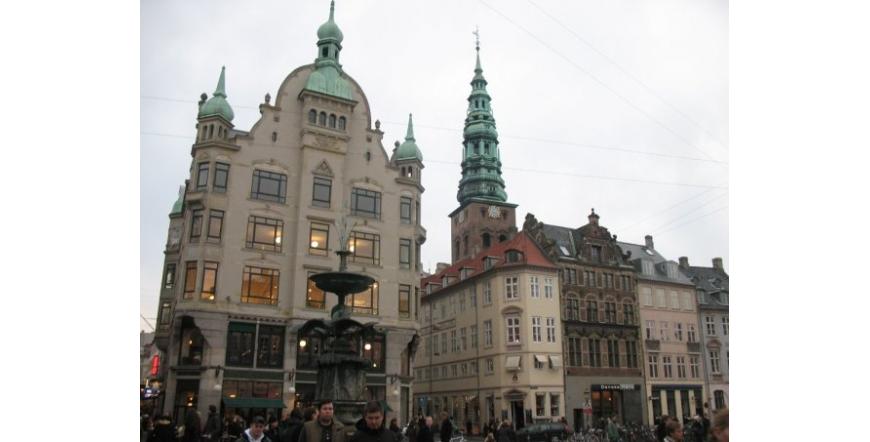
The capital city of Denmark is Copenhagen – located on the Seeland Island. It is often referred to as “the Northern Paris” due to its architectural magnificence.
Also remarkable is the Tivoli entertainment park in the centre of Copenhagen. It is named after the famous Italian Tivoli gardens and was opened in 1843. The park features concert halls, restaurants, cafes, flower alleys.


- Denmark
- Copenhagen
- 43 094 km²
- 5 420 000
- Danish krone
- Danish
- Christianity