

Suomenlinna Fortress, Finland
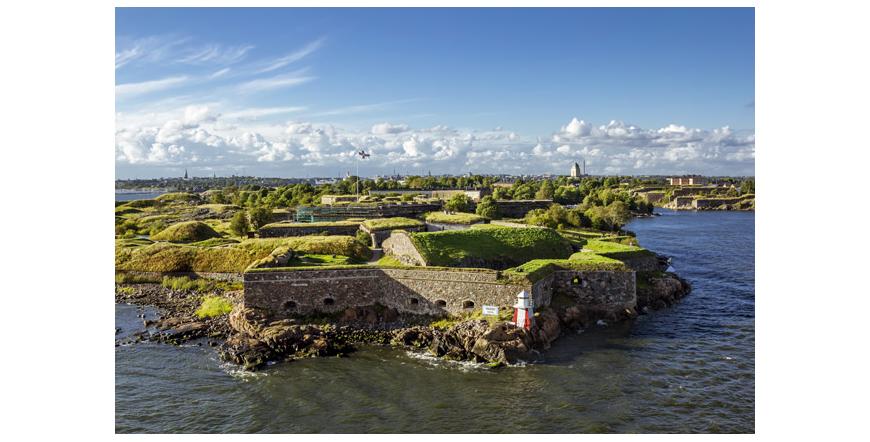
The Suomenlinna Fortress, today turned into a museum, is a beautiful architectural building, built in the second half of the 18th century and included in 1991 in the UNESCO list of cultural and natural heritage. The fortress is located in Helsinki and is an outstanding example of European military architecture from the 18th century.
Suomenlinna Fortress is a large naval base spread over six islands. Its construction began in 1747 in order to protect the territory from the increasing naval power of Russia. The project was by the architect Augustin Ehrenswerd, who for this purpose used the most modern plans and worked on the fortress until his death, even being buried in Suomenlinna.
The Suomenlinna Fortress was heavily destroyed during the Crimean War, but after its end it was completely restored and expanded. New fortifications were added in the period 1914-1917. After the end of the First World War, the Suomenlinna fortress received a new task - it became a prison camp for the rebels from the Finnish Civil War in 1918.
In 1973, the Suomenlina Fortress ended its association with the army and passed into the hands of the civilian administration. Today, the fortress is an ideal place for excursions, and it houses many museums, an art school, a theater, a lax prison, and the Finnish Maritime Administration.
Vote:
Rating 5 from 1 voted


