

Peru
Peru is the third largest country by territory in South America. Along the Pacific Ocean coastline, 2,410 km long, there are a number of small islands. On the Chincha islands is located the biggest guano (bird manure) deposits in the world.
In the northern part of Peru run the largest rivers here – the Ucayali and the Maranon, whose confluence 80 km off the city of Iquitos give birth to the Amazon River. The Peruvian Andes, comprising three parallel mountain chains, rise majestically between the desert coastline and the humid equatorial forests. They have more than 170 peaks of over 4,850 m above sea level. The highest of them is the extinct volcano Huascaran (6,768 m). It is part of the eponymous national park, which has more than 20 peaks over 6,000 m.
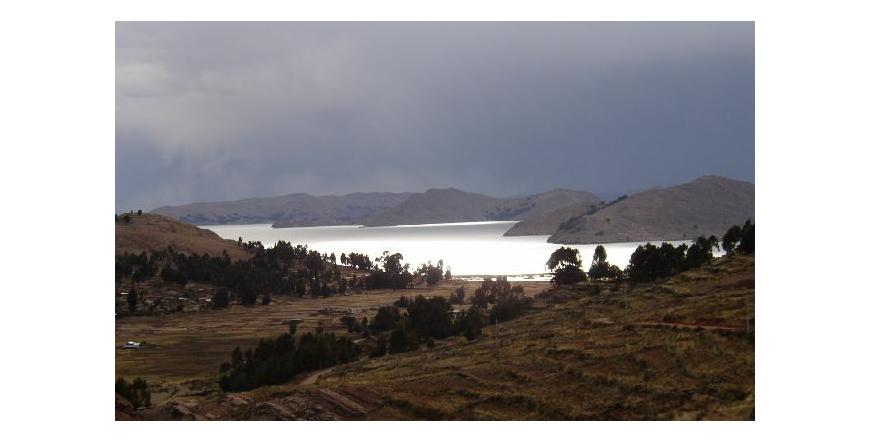
Lake Titicaca is located on the border with Bolivia and is the highest alpine navigable lake on Earth (3,812 m above sea level). Reed boats in which the Aymara Indians go fishing can be seen in it.
In 15th c. in the lands of Peru flourished the great empire of the Inca with its capital Cusco. Remains of the fortification walls, the palace and a temple, whose facades were decorated with gold slates, are preserved there. They were discovered in the so called “Holy Valley of the Incas”.
In 16th c. the Spanish conquered the Empire, plundered the treasures of the Incas and nearly destroyed the local population. Today the preserved remains of the Incan civilisation attract a number of tourists.
In the capital of Peru – Lima, lives 1/3 of the population of the country. The city is only 16 km off the Pacific Ocean coast and is the lowest located capital in South America (160 m above sea level). The country is among the leading world producers of silver, zinc, mercury, copper, etc. Fishing takes up an important place in the life of the Peruvians.
More sights in Peru


- Peru
- Lima
- 1 285 216 km²
- 26 000 000
- Nuevo sol
- Spanish, Quechua
- Christianity