

Poland
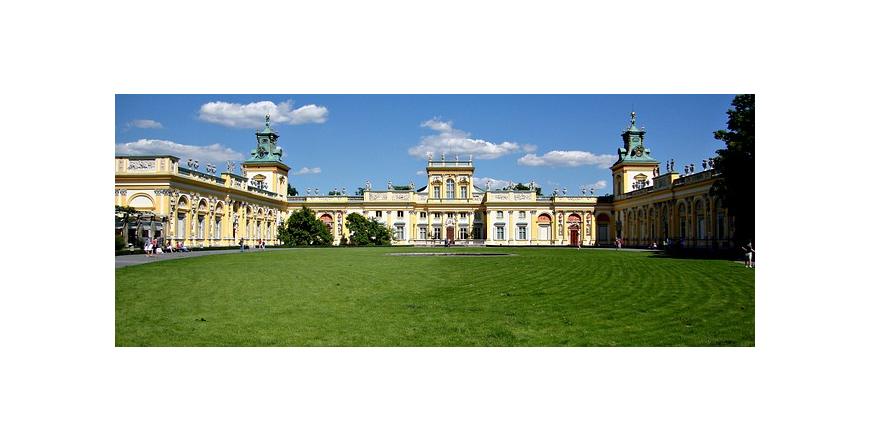
Poland is located in the northeastern part of Central Europe. To the north it has a wide outlet on the Baltic Sea. The terrain of Poland is predominantly flat. In its southern part rise the foothills of the Western Carpathians and part of the Tatras. The Tatra Mountains, overgrown with thick forests, are inhabited by many wild animals and is one of the 28 national parks in Poland. The climate of Poland is temperate-transitional (from mild oceanic to colder continental).
Poland has a dense river network, flowing into the Baltic Sea. The largest rivers Visla and Odra are navigable throughout their length.
Leading branches are coal mining, ferrous and nonferrous metallurgy, machine building (ships, aeroplanes, cars, locomotives, agricultural machines, etc.). The industrial region is among the biggest in Europe.
In 840 the Western Slavs settles in the lowlands between Odra and Visla and founded the First Polish state. From 13 to 16 century it was one of the biggest countries in Europe. The subsequent unsuccessful wars led to the distribution of its territory among the neighbouring countries. It was not until 1918 that Poland became again an independent state.
The Wawel castle, towering over the Visla in the ancient centre of Cracow, was the residence of the Polish kings for centuries.
On the old central square in Warsaw is erected a statue of an armed mermaid with raised sword and shield, called the Mermaid. It is recognised by the Poles as a national symbol.
The salt mines in Wieliczka, 14 km from Cracow, are one of the oldest mines in Europe, operational since 13th c. They consist of more than 2,148 tunnels, interconnected with corridors with total length of 320 km.
The largest city on the Baltic Sea – Gdansk is a centre of the ship building and the country’s major port, and is used by other mainland countries in Central and Eastern Europe as well.
More sights in Poland



- Poland
- Warsaw
- 312 685 km²
- 38 544 000
- zloty
- Polish
- Christianity