

Chichen Itza, Mexico
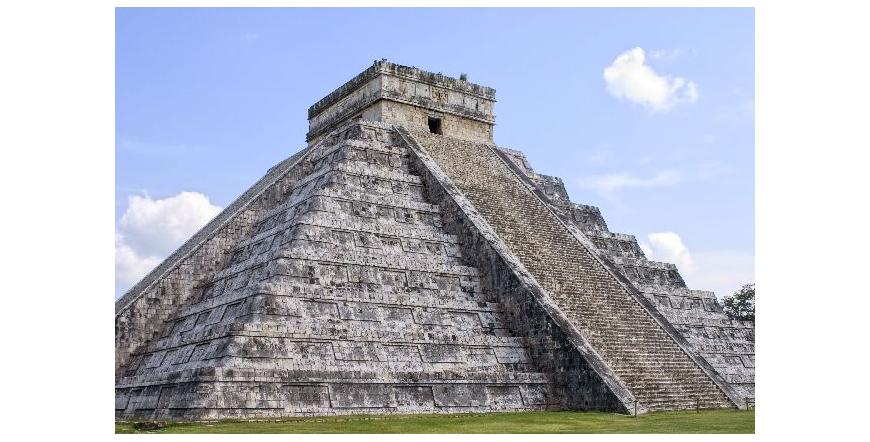
Chichen Itza is one of the best preserved cities of the advanced Mayan civilization. It is located in the northern part of the Yucatán Peninsula, Mexico. Translated, it means "At the Throat of the Well of Itza." The place was first settled around 550 and in its heyday as a religious, military, political and commercial center, the city was inhabited by 35 thousand people. By the 10th century Chichen Itza was one of the important centers for the Maya.After the decline of their civilization, the city was taken over by the Toltecs, who made it their new capital. Times of prosperity and decline followed, and there are suggestions that Chichen Itza perished as a city due to famine or civil war. The many architectural finds to be seen here are a mixture of Mayan and Toltec cultures.
The Pyramid of Kukulkan is the most imposing temple structure to survive from the ancient Maya city. The height of the pyramid is 30 meters and there are 365 steps to the top, symbolizing the days of the year. The deity worshipped by the Maya was Kukulkan - "кulul" in the Mayan language means the bird quetzal, and "kan" means snake. At the top of the pyramid, captured warriors were carried to sacrifice to Kukulkan by enemies. The high priest would rip out the heart of the victim and lay it at the feet of the deity.
Every year in March and September, the unique spectacle of "The Feathered Dragon" can be seen here, associated with the extraordinary light emission on the pyramid's stairs. Other interesting preserved stone buildings in Chichen Itza are the stepped pyramids of the Castle and the Temple of the Warriors, the vast plaza of the "Great Market", the Great Playground with its stone hoops used for the ancient ball game. The 22.5m high observatory, called the Caracol, is believed to have been used by the Maya to study the heavens, time religious ceremonies and predict when to sow crops.
Two of the cenote wells from Mayan times still exist. In them they threw offerings of precious things. One of these wells was called the Sacred Hay Well, about 50 meters deep, and was used for sacrifices. Today, the Mayan and Toltec city is listed as a World Heritage Site, in 2007 Chichen Itza was named one of the New Seven Wonders of the World.
Vote:
Rating 5 from 1 voted


