

Hungary

Hungary is a landlocked country located at almost equal distances from the North Pole and the Equator. The Danube River crosses and divides it. West of the Danube is located the hilly Dunantul (Transdanubia) plain, strewn with a multitude of low mounts – Bakon, Vertes, Mecsek, etc. South of Bakon is the largest sweet water lake in Central Europe – Balaton (598 sq.km), connected to the Danube with a navigable canal.
The flat terrain, fertile black earth soils and the temperate continental climate favour the development of agriculture. Plant growing is the leading branch – vineyards, wheat, maize, sugar beet and others are grown. Hungary is among the biggest producers of apples in the world. The experience in growing vegetables was brought here in 18-19 c. by Bulgarian gardeners.
Leading branches of the economy are electronics, transport machine building, aluminium production, food processing industry, etc.
The3 majority of the Hungarians are Magyar descendents, who settled in the Middle Danube plain in 9th c. Conquered by the Ottoman Turks, liberated by the Austrian troops, Hungary was declared an independent republic only after World War I – 1918.
The largest city and capital of Hungary – Budapest, is among the most beautiful cities in the world. It is located on the two banks of the Danube and is impressive with its magnificent architecture. It has 7 suspended bridges connecting the two parts of the city – Buda, located in a hilly area on the right bank and Pest, which developed as a harbour and a lively trade centre.
The tower rising over the Houses of Parliament in Budapest was built between 1880 and 1902. It is 268 m tall and 123 m wide. Budapest is visited by 15 million tourists annually.
More sights in Hungary


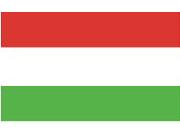
- Hungary
- Budapest
- 93 030 km²
- 9 840 000
- forint
- Hungarian
- Christianity