
Seoul, South Korea
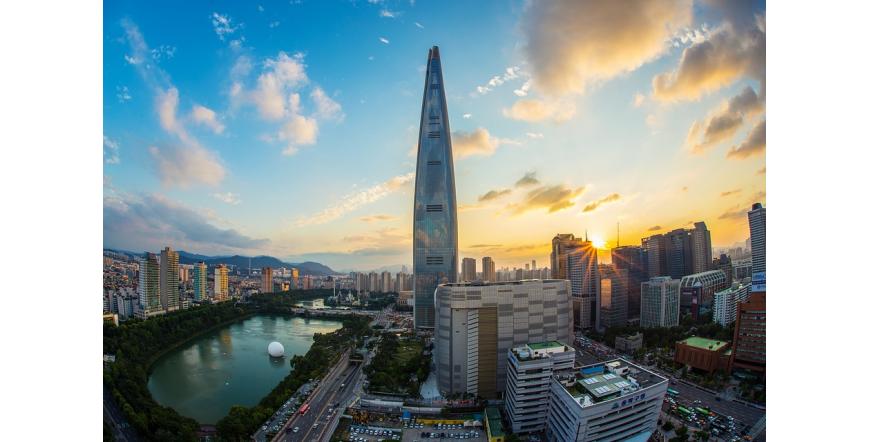
Seoul is located between eight mountains and divided in two by the river Han. The city was conquered by the Japanese in the early 20th century and liberated in 1945. The Korean War between 1950-1953 left Seoul in ruins. Now Seoul has been so renovated that it has become a unique place, combining ultramodern and traditional architecture. Its population is around 10.5 million. It is the largest city and the economic, political and cultural center of the country.
Traditional architecture can be seen in the Old Town. There are many historical buildings here. The most valuable historical monuments of Seoul are the palaces of the Joseon dynasty, which still radiate splendor and splendor. One of them is the Changdokkung Palace, located in the very center of the Old City. Fully restored, it is also known for its Secret Garden. There are rare and beautiful flowers, shrubs and trees here. The palace has been declared a World Heritage Site by UNESCO.
Other UNESCO World Heritage Sites include the Chonmyo Temple, built to commemorate the kings of the Joseon Dynasty (1392-1910), the Joseon Royal Tombs, and the Hwasong Fortress. Interesting to see here is the Great South Gate - Namdemun, which is a Korean national symbol. The Seoul Tower is the place from where the best panoramic views of the city can be seen.
Namsan Mountain Park is a great place to walk and relax. Seoul residents love their city and insist on eco-friendly living conditions. That is why they have planted millions of trees in the city, so it is filled with pleasant gardens and parks. Besides, there are 40 universities in Seoul. The city hosted the 24th Summer Olympics in 1988 and was one of the host cities of the 17th FIFA World Cup in 2002.