

Belarus
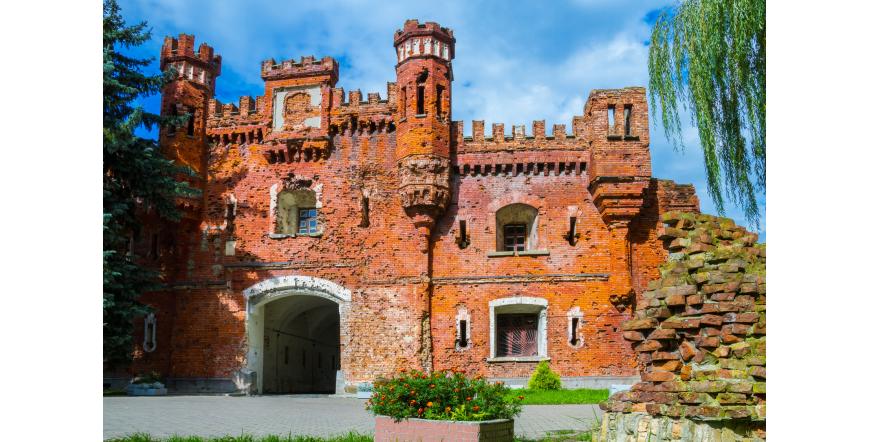
Belarus is a landlocked country. The larger part of Belarus has a valley and plain relief. To the north is located the Central Beryazina Plain, strewn with a multitude of low rounded hills an about 11,000 small lakes. To the south is located the marshy Polesie plain, which is covered with mixed forests. They are home to a lot of very valuable forest species and wildlife – lynx, moose, beaver, wild boar, black stork, etc. The Polesie is the largest marshy and uncultivated territory in Europe.
In the western part of Belarus and in the neighbouring Poland is located the famous Belovezhkaya Pushta (forests), administered by both countries. This is the last section of the original virgin forests that used to cover entirely the plains in Central Europe and where the last representatives of the aurochs (the European relative of the American bison).
During World War II more than 2 million Belarussians died and a big part of the settlements were completely destroyed. Belarus is the most severely affected country by the catastrophe in the Chernobyl nuclear power plant in neighbouring Ukraine. Despite the humanitarian aids the country still cannot overcome the severe aftermaths from the long-lasting effect of this greatest nuclear explosion in the world.
In 7th century the contemporary lands of Belarus were settled by Slavic tribes (the Dregovichi, the Radimichi, and the Krivichi). Over the centuries the country has been part of Lithuania, Poland and the Russian Empire. In 1991 it was declared an independent republic. Belarus is an industrial and agricultural country. Woodworking and paper and cellulose industry are well-developed. Agriculture is specialised in flax and potato growing.
More sights in Belarus


- Belarus
- Minsk
- 207 546 km²
- 10 200 000
- Belorussian ruble
- Belorussian
- Christianity